







Search Results for: dialect controversy
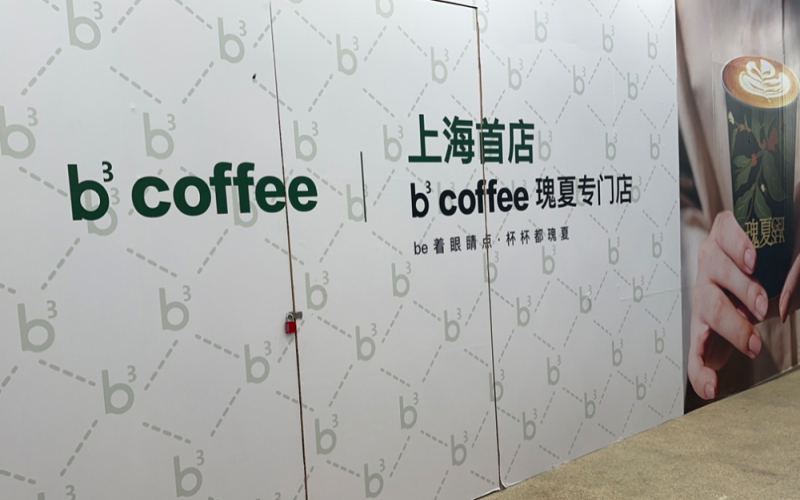
A new Shanghai shop named "b³ Coffee" sparks dialect controversy, mired in negative word-of-mouth before even opening
A yet-to-open Shanghai coffee shop has sparked heated discussion because its name, "b³ Coffee," sounds like "biesan" (a local slang term for a vagrant or good-for-nothing) in the local dialect. Netizens have been poking fun at it, and some say they won't patronize it because of the name. The brand marking itself as "必三咖啡" on a third-party platform has further escalated the controversy. Although the name brings traffic, it also leaves a negative first impression on consumers. This article reviews the whole incident, discusses the importance of businesses adapting to local customs, and includes related recommendations from Front Street Coffee. [more…]
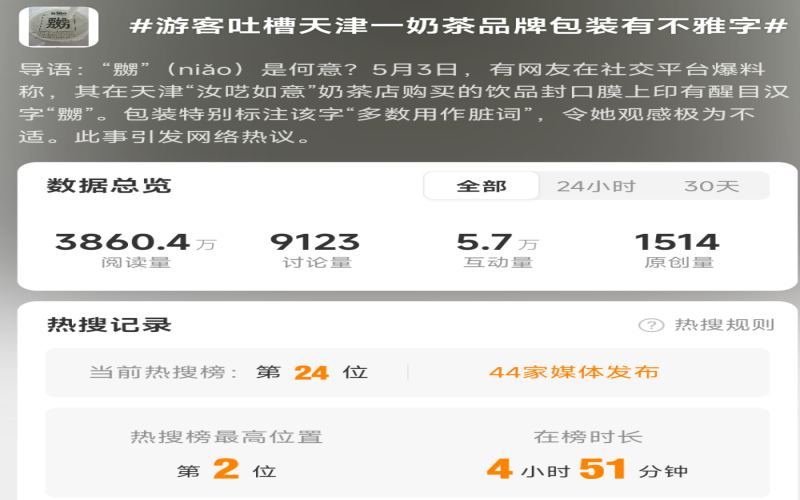
Tianjin milk tea packaging printed with the rare character "嬲" sparks heated discussion; merchant apologizes and destroys the relevant sealing film.
Recently, a milk tea brand in Tianjin trended on Weibo and sparked widespread discussion because the sealing film on its drinks featured the rare character "嬲 (niǎo)." Many netizens pointed out that in the Tianjin dialect, this character carries an indecent or even insulting meaning, making some consumers uncomfortable. Although the brand's original intention may have been to promote awareness of rare characters, the note on the packaging that it is "mostly used as a dirty word" further fueled the controversy. On May 4, the merchant publicly apologized and said it had uniformly destroyed the sealing films printed with the character and would no longer use them. As coffee lovers, Front Street Coffee also took note of this incident, reminding the beverage industry to be more cautious in packaging design to avoid misunderstandings caused by cultural differences or dialect ambiguity. [more…]
Tea Yan Yue Se's advertising copy sparks controversy, issues two apologies overnight—where are the boundaries of brand marketing?
Sexy Tea (Chayan Yuese) trended on social media after its advertising copy was accused of insulting women, and it issued two apology statements late on February 19 and in the early hours of February 20. The incident was triggered by the inappropriate use of Changsha slang such as "picking up scraps" on its cups, which sparked netizens' doubts about the brand's creative boundaries. The first apology failed to calm public opinion, and Sexy Tea then issued another statement, admitting that it had mishandled the boundaries in its early product creation and had removed the problematic products from sale. This controversy not only exposed the brand's missteps in using dialect slang and gender-relation jokes, but also prompted reflection on balancing marketing creativity with values. [more…]

Coffee specialty drink named "Chaoshan Poison" sparks controversy, Chaoshan netizens call it reckless
Recently, a coffee shop launched a signature drink called "Chaoshan Poison," sparking heated discussion online. In Chaoshan cuisine, "Chaoshan Poison" has long been synonymous with raw-marinated seafood, yet this coffee, priced at 45 yuan, is primarily made with cold brew coffee and green olive juice, garnished with Chaoshan aged medicinal kumquat and bamboo-salt wampee—a far cry from public perception. Chaoshan netizens have voiced their displeasure in dialect, arguing that the name misleads consumers and that the shop lacks understanding of local food culture. This article will review the course of events and explore the boundary between creative local specialty coffee and naming. [more…]
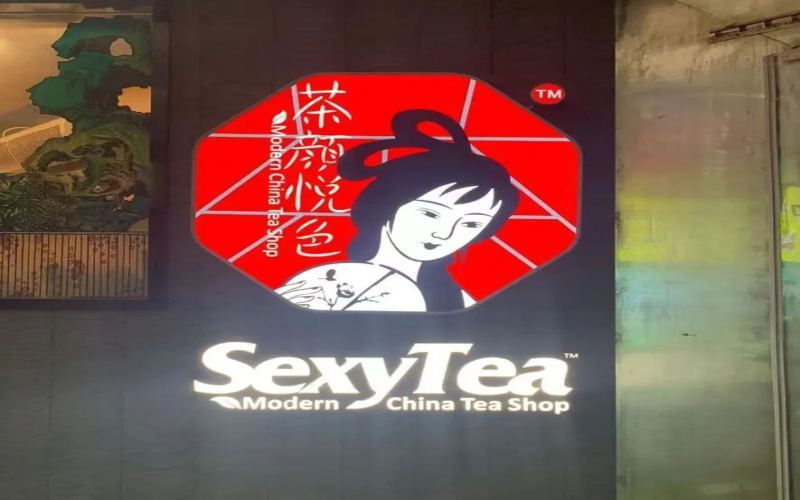
SexyTea, the English logo of Chayan Yuese, Sparks Controversy Again: An Expression of Charm or a Marketing Misstep?
Recently, Nanjing's third Chayan Yuese store sparked widespread discussion online for using "SexyTea" as its English signage. Some people believe the term clashes with the brand's classical and gentle tone, and may even be disrespectful to women; others feel that "Sexy" inherently means charming and attractive, and there's no need to overinterpret it. In fact, this is not the first time Chayan Yuese has fallen into controversy over its copy or signage. Previously, the "picking up scraps" cup copy prompted an apology for objectifying women. This article sorts out the sequence of events, various viewpoints, and regulatory responses, and includes professional coffee information channels for coffee enthusiasts and brand observers to reference. [more…]
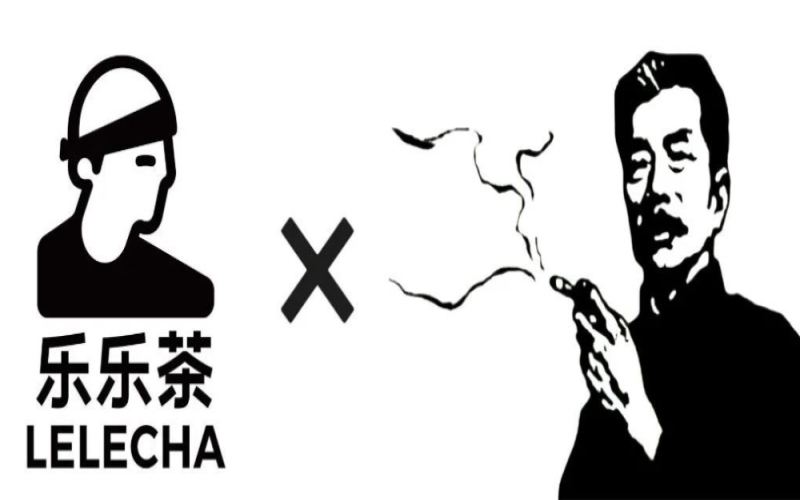
Lele Tea's Lu Xun collaboration "Smoky Oolong" criticized by CCTV.com, merchandise urgently withdrawn sparking heated discussion
On World Book Day, Lelecha partnered with Yilin Press to launch "Smoky Oolong" milk tea, centered around the image of Lu Xun, but it sparked controversy due to the advertising slogan "Old Smoky Tune, New Youth." CCTV.com published an article criticizing the collaboration for turning a literary master into entertainment and for inappropriate wording. Subsequently, Lelecha urgently removed the related merchandise and promotional posts. Behind the incident, the boundary issues of tea beverage brands collaborating with historical figures have once again drawn attention. Front Street Coffee takes you through the whole story. [more…]

Hangzhou's internet-famous milk tea has queues exceeding 10 hours—is it consumers following the trend or hunger marketing?
After the first Hangzhou store of BONJOUR, a Suzhou milk tea brand, opened, its online ordering showed over a thousand cups in production ahead, with wait times often reaching seven to eight hours or even more than ten. Consumers posted screenshots of their orders, sparking heated debate: Is a cup of milk tea worth such a long wait? A reporter's visit found no long lines on site, but chaotic pickup and sold-out popular items. Some consumers admitted the taste was nothing special and they were just following the trend. Netizens questioned whether this was hunger marketing and suggested waiting for this "Hangzhou fad" to pass before trying. This article will explore the phenomenon and reflections behind this milk tea queue controversy. [more…]
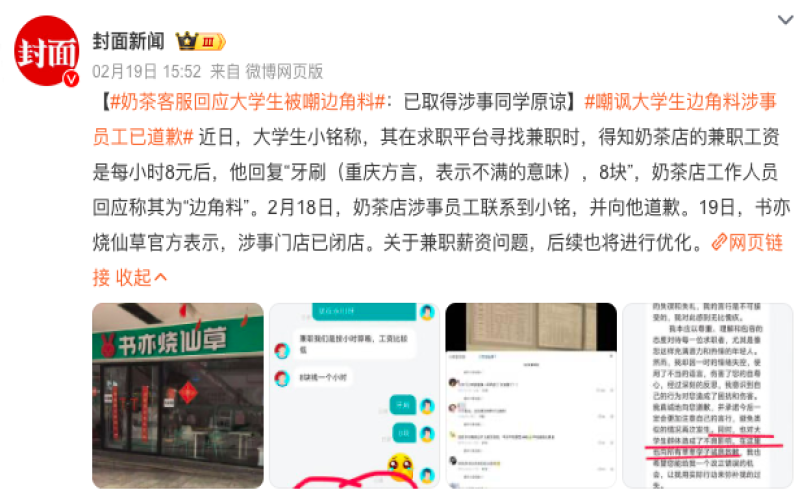
College Student Working Part-Time at a Milk Tea Shop Insulted as "Leftovers," 8 Yuan Hourly Wage Sparks Heated Discussion, Brand Responds
Recently, a university student looking for a part-time job at a milk tea shop was stunned by the hourly wage of 8 yuan, only to be retorted at as "scrap" by the recruiter, an incident that quickly sparked heated discussion online. After the job seeker turned the chat records into a video and posted it, netizens engaged in fierce debate over the understanding of dialect slang, the issue of respect from the recruiter, and part-time wage standards. Employees of the shop involved have apologized, and the brand Shuyi Tealicious also responded, stating that the shop has been closed for handling and promising that follow-up negotiations will be held to rectify wage management for franchisees. The part-time ecosystem behind a cup of milk tea deserves the attention of every coffee lover and job seeker. [more…]
Where Can You Find Authentic Huangzhixiang Phoenix Dancong? Analyzing the Unique Flavor and Identification Points of Songzhong Huangzhi Dancong
Huangzhixiang Dancong is one of the oldest varieties of Phoenix oolong tea, its name originating from a local dialect's misreading of kumquat. The genuine Songzhong Huangzhixiang is scarce in production, with a flavor profile between modern sweet-aroma style and the floral-basket style, featuring kumquat fruit notes, honey charm, and the floral aroma unique to high-altitude single bushes. This article will sort through the origin of the name, the history of Songzhong, the taste characteristics of genuine Huangzhixiang, and the pitfalls of market purchasing, one by one. At the same time, the "Front Street" brand products mentioned in the article provide a reliable reference for enthusiasts. Whether you are just getting into Dancong or want to deeply distinguish authenticity, this guide can help you build a clear cognitive framework. [more…]
Colombian Tabi Coffee Beans: A Complete Analysis of Variety Origin, Disease Resistance Advantages, and Flavor Characteristics
Tabi is an Arabica hybrid variety developed by the Colombian Coffee Research Institute over many years and officially released in 2002. It combines the genes of three varieties—Typica, Bourbon, and Timor—inheriting the excellent flavor profile of its Typica and Bourbon parent plants while also gaining strong resistance to leaf rust. Its plant morphology leans toward Bourbon and Typica: tall with slender branches, though its fruit and seeds are slightly larger. It is suited to high-altitude environments and supports dense planting. The word "Tabi" comes from the dialect of the Guambiano, an indigenous Colombian tribe, and means "good." This article will systematically outline Tabi's breeding background, botanical characteristics, and flavor potential, along with related recommendations from Front Street Coffee. [more…]
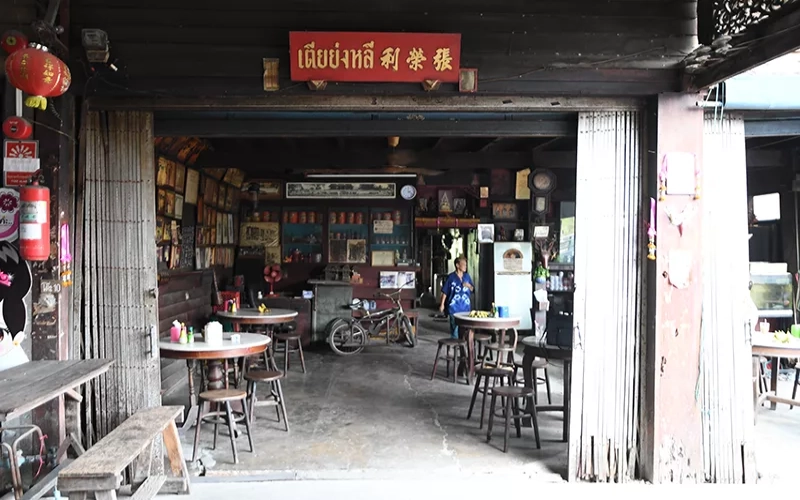
A Century-Old Thai Coffee House's Enduring Spirit: Traditional Brewing Craft and the Generational Legacy of a Single Cup of Coffee
As the specialty coffee wave sweeps the globe, with pour-over, espresso, and golden cup extraction dominating the conversation, is there still anyone willing to pause for a cup of the most traditional coffee? In Pathum Thani Province, Thailand, a century-old café named Zhang Lirong quietly tells a different kind of coffee story through a single stainless steel coffee pot, a cheap drip filter spoon, and three generations of perseverance. There are no specialty beans here, no intricate techniques—only charcoal-roasted Robusta, a humble menu annotated in Teochew dialect, and the warmth of a ten-baht cup. This article takes you inside this century-old Siamese establishment to experience the cultural heritage that transcends flavor behind traditional brewing methods, and to glimpse similar steadfast traditions such as Hong Kong charcoal-roasted coffee. [more…]
Exploring 90+ Candlelight: An Analysis of the Top-Tier Flavor and Processing Craft of Ethiopian Natural Sidamo
90+ Drima Zede is a top-tier natural coffee crafted by Ninety Plus Coffee in Ethiopia's Sidama region, with a name that means "the best way" in the local dialect. It blends complex flavors of florals, nectarine, tropical fruit, and creamy [more…]
Exploring Fujian's Tea-Producing Regions: Golden Monkey Black Tea Tasting Methods and a Comparison with Jasmine Dragon Pearls and Da Hong Pao
China is the homeland of tea and the world's largest tea-growing country, with an annual output of about 2 million tons. Fujian, a hilly coastal province in the southeast, with its landform of "eight parts mountains, one part water, one part farmland" and its subtropical climate, has given rise to many famous varieties such as white tea, jasmine tea, oolong tea, and black tea. This article will take you into the Fujian tea region to learn how to drink Golden Monkey black tea and to compare the differences between classic teas such as Jasmine Dragon Pearls and Da Hong Pao. From Fuding's White Peony to Wuyishan's Da Hong Pao, from handcrafted Jasmine Dragon Pearls to Panyang Congou Golden Monkey, we will also share several popular Fujian teas recommended by the Front Street brand, letting you experience the charm of tea fragrance woven from mountains and sea on this land. [more…]
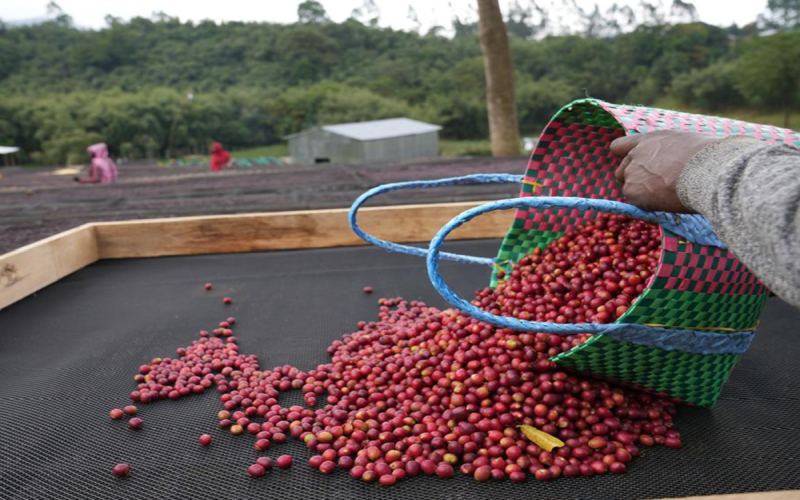
A Complete Analysis of the 90+ Candied Orange Coffee Bean Name Origin, Sidamo Region Flavor Characteristics, and Pour-Over Parameters
90+ (Ninety Plus Coffee) is a well-known American specialty coffee supplier. Its Drima Zede Sidamo coffee beans, with their alluring notes of nectarine, mango, and cream, have become a hot product that many cafés compete to put on their shelves. Front Street Coffee has carried this bean for years and knows its characteristics inside and out. This article will walk you through the founding background and philosophy of the 90+ brand, the meaning of the name Drima Zede in the local dialect, the terroir conditions of the Sidamo region, the details of the raised-bed sun-drying process, and the roasting curves, cupping data, and V60 brewing recipes that Front Street baristas have summarized through hands-on practice. Whether you want to understand the origins of this bean in depth or hope to find a reliable set of brewing parameters, you'll find the answers in this article. [more…]
Ninety Plus Candle Glow Coffee Flavor Analysis: Roasting Key Points and Brewing Grind Adjustments for Natural Sidamo
Candlelight Coffee is a naturally processed Ethiopian bean from the LevelUp series by Ninety Plus, named for its flavor profile. It comes from the Sidama region, and its name means "the best way" in the local dialect. This article begins with the background of the Ninety Plus brand, then outlines Candlelight's origin characteristics, flavor expression, and roasting approach. It also documents a grind size comparison experiment conducted by Front Street Coffee using the same batch of beans, examining how different grind coarseness affects TDS concentration and the drinking experience. The article also organizes the N2, H2, and W2 labeling logic that Ninety Plus uses to classify flavor directions, helping coffee enthusiasts understand what makes this bean unique and how to adjust their brewing. [more…]
Panama Illeta and Coffee Bean Grades Explained: The Specialty Journey of the 90+ Geisha Estate
Where does the name of Panama's Eleta Coffee come from? How are Panama coffee beans graded? This article begins with the founding story of Ninety Plus (90+), taking you through how Joseph Brodsky accumulated experimental processing experience in Ethiopia and then established the 90+ Geisha estate in Panama in 2009. It also covers patented processing methods such as Red, Ruby, and Solkiln, as well as the flavor profiles of the LevelUp sub-label series, and includes a detailed profile of 90+ Geisha from Panama's Volcan region. Front Street Coffee will also recommend noteworthy beans for you in this article. [more…]
How can you tell Zhengshan Souchong from Waishan Souchong? Are Yanxiaozhong, Xingcun Souchong, and Tongmu Souchong the same type of black tea?
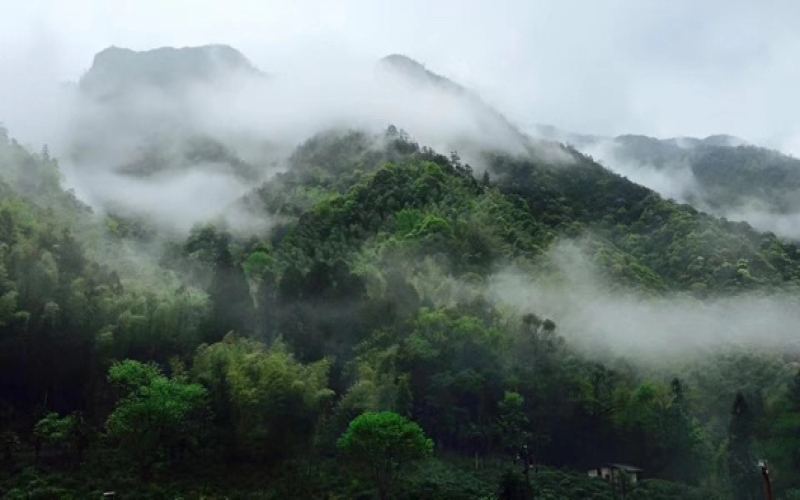
Lapsang Souchong is widely recognized as the world's earliest black tea. With its distinctive pine smoke aroma and sweet, fruity notes reminiscent of dried longan, it profoundly influenced the historical course of European tea culture. However, names related to "Souchong" abound on the market—Waishan Souchong, Smoked Souchong, Xingcun Souchong, Tongmu Souchong—are they actually the same tea? How should one distinguish Lapsang Souchong from Waishan Souchong? This article will sort out these easily confused concepts from three dimensions: historical origins, production area classification, and naming evolution, restoring the true identity of Lapsang Souchong while introducing you to the unique flavors of the core production area in Tongmu Village, Wuyi. [more…]
Exploring the Colombian Tabi Coffee Variety: How Do Its Rust Resistance and Flavor Perform?
Tabi is a hybrid variety officially released by CENICAFE, the Colombian coffee research institute, in 2002, developed from a cross of Typica, Bourbon, and Timor varieties. Its most notable advantage lies in its resistance to coffee leaf rust, while inheriting the excellent cup quality of Bourbon and Typica. In plant morphology, Tabi resembles Bourbon and Typica, but its fruit and seeds are slightly larger, making it suitable for high-density planting at high altitudes. This article will review Tabi's breeding history, botanical characteristics, and flavor potential, and include recommended information from Front Street Coffee. [more…]
The Growing Environment and Flavor Characteristics of the Yirgacheffe Coffee Region: An Analysis of Front Street Coffee's Kochere Washed Beans
Yirgacheffe is one of Ethiopia's most representative specialty coffee regions, renowned worldwide for its fresh, bright floral and fruity aromas and citrus acidity. This article systematically introduces the origin background and quality characteristics of Front Street Yirgacheffe Kochere coffee from three dimensions: growing conditions, processing methods, and flavor performance. The article covers the region's altitude, climate, harvest season, organic farming traditions, and the impact of washed processing on flavor, helping coffee enthusiasts gain a more comprehensive understanding of the unique charm of this African washed coffee. [more…]
Exploring Ethiopia Yirgacheffe: The Flavor Code and Full Harvest Picture of a High-Altitude Wet Production Region
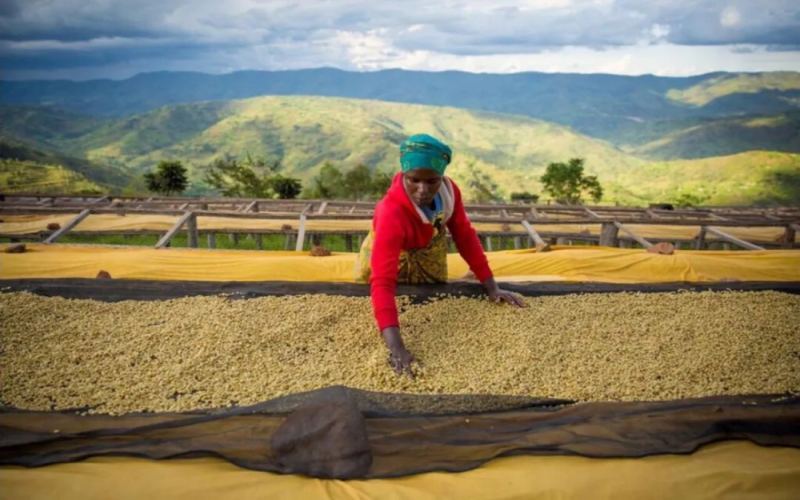
Yirgacheffe is Ethiopia's most iconic specialty coffee region, located on a highland plateau at an altitude of 1,700 to 2,100 meters, renowned worldwide for its distinctive floral and fruity aromas and bright acidity. This ancient area, known as the "wetland," is shrouded in mist year-round with a mild, humid climate, giving rise to numerous native coffee varieties. Front Street Yirgacheffe, as a classic representative of this region, has become a preferred choice for entry-level specialty coffee with its low bitterness, refreshing taste, and adaptability to multiple brewing devices. This article will guide you through an in-depth understanding of Yirgacheffe's geographical environment, historical context, harvesting patterns, and flavor characteristics, unveiling the story behind how this small town became a coffee legend. [more…]